دكتور بيرج بالعربي · Transcript · · Updated
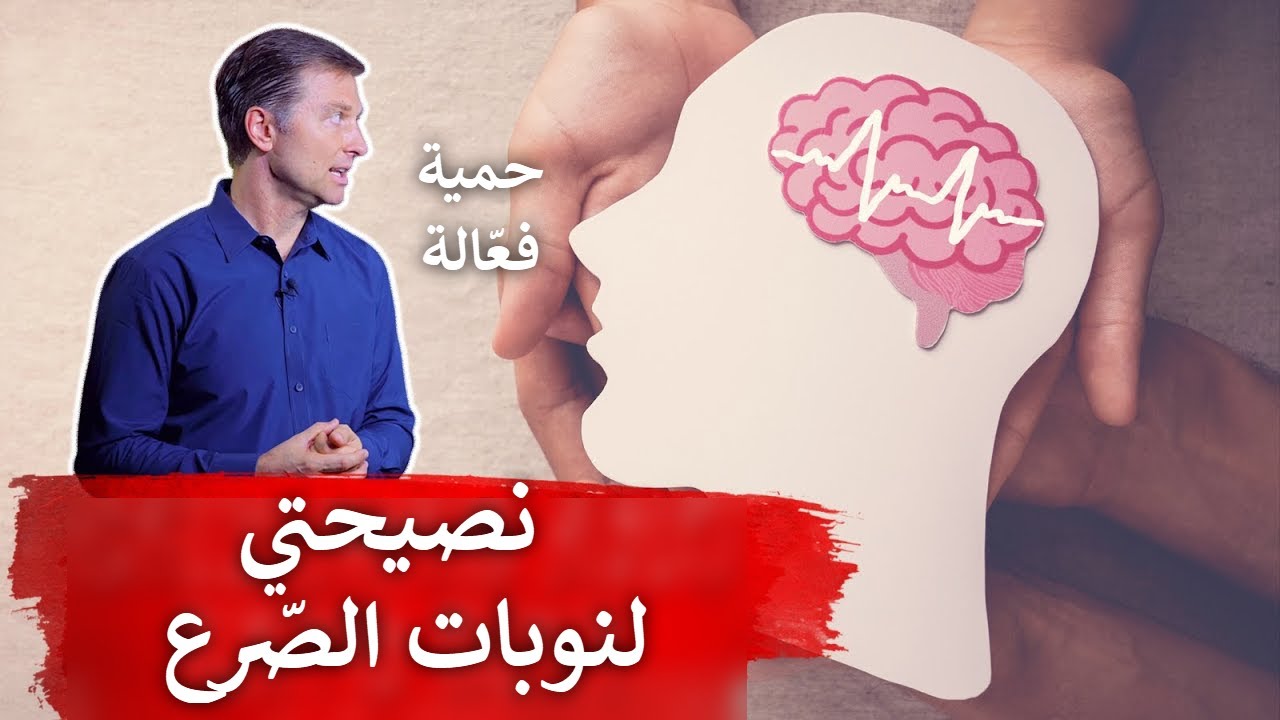
نوبات الصرع | نصيحة دكتور بيرج – Transcript
Video by دكتور بيرج بالعربي · Watch the original on YouTube
Summary
AI-generated from the transcript. Verify details against the source video.
- Dr. Russell Wilder observed that people historically did not have seizures when they fasted, leading him to develop the classic keto diet for epilepsy.
- The speaker notes that potential side effects of the classic keto diet include constipation, keto fatigue, bad breath, cholesterol, and kidney stones.
- To improve the classic ketogenic diet for epilepsy, the speaker recommends tweaking ingredients for higher quality, adding intermittent fasting, increasing greens, and adding specific supplements.
Use this video with Pro
Reading, copying and transcript downloads are free. Create saved AI results for this video with a signed-in Pro account ($9/month).
Transcript
Search ignores accents. All transcript text stays visible.
Let's talk about epilepsy in the ketogenic diet. In 1923, Dr. Russell Wilder was working in the Mayo Clinic and he observed or read about people in history not having seizures when they fasted.
So he was curious about that and he wanted to find a way that he could mimic fasting because eventually a person is going to have to eat and when they start eating the seizures could come back. So what he found is when you put someone on a low carb diet, you can actually reduce their seizures by 50%, which is pretty significant, and 15% of that group completely got rid of their seizures 100%.
So that began the classic keto diet for epilepsy and it's definitely evolved into various ratios of fat to protein and carb. So you could do a four to one ratio where you have four times as much fat to protein and carb or three to one or two to one or even one to one.
Now the more ratio of fat to protein and carb, the more you're going to get into ketosis and the less ratio, the less you're going to get into ketosis. And so one of the reasons why they have different ratios is because as you lessen the fat increasing protein and carb, it makes it easier for the patient.
There's better compliance. And they also use the modified Atkins diet, which you're not calorie counting. You're not being that strict when you go to a restaurant and it allows for more protein. You're not measuring anything. It just makes it a little bit easier.
Now they're not actually sure why the ketogenic diet works for seizures, but there is some theories. One is that it improves the stability of your synapses between your neurons. Number two, ketones have anti-convulsant effects.
Number three, it decreases brain inflammation. It could be a combination of all three of these things. I do know that the brain prefers ketones over glucose because it runs more efficiently. Now some of the problems that a patient could experience going on this diet is that they can develop a lot of constipation issues, some pretty severe keto fatigue, bad breath,
cholesterol, kidney stones, which is actually not that common, but it potentially can occur. Now my opinion on why those side effects occur is that the classic keto doesn't necessarily focus on the quality of ingredients.
And so they're mainly focused on the macros. They have a powdered drink that is literally soy oil, multidextrin, casein. To me, that is definitely not healthy, and if someone were to consume that, it might taste okay, but to put that in your body, you might notice quite a few side effects.
And they generally recommend synthetic vitamins and things like that. What I would recommend if someone has epilepsy and they're going to do keto and they want to do the classic keto diet or any of these right here, I would highly recommend tweaking the ingredients to make them healthier.
I would definitely shoot for organic, grass-fed, wild-caught, pasture-raised eggs, things like that, but there's some other things that I would recommend too. I would highly recommend that they add intermittent fasting because currently they don't.
And so instead of three meals a day, I would do minimally two meals a day. Now if there's a small trial, that could be a problem, and you might have to have larger meals, but the fact that you're adding fasting with this ketogenic plan, but I think that's going to take your results to a whole new level.
I would also avoid vegetable oils because if you look at the classic ketogenic diet, you're allowing soy oil, corn oil, which is inflammatory. So it's going to create digestive issues eventually, and it could majorly inhibit your results.
The other thing I would recommend is I would majorly increase the amount of greens, like green salads. Now the thing that you have to realize that the carbs from salad are very, very small. The calories from salad are almost insignificant.
There's so much fiber and there's so little sugar that that would be perfect on the classic ketogenic plan and even probably work within this 4 to 1 ratio right here. And of course I would definitely recommend the olive oil being the best oil, even in larger amounts versus any other oil that you would get on salad dressing that's pretty low level.
Now the salad and the vegetables are going to offset the acidity from the ketones because if you're doing 4 to 1, you're eating fat, you're going to majorly induce a state of ketosis. And so the lower the carbs, the lower the protein, the higher the fat, the more the ketones, but you're going to also get a lot of acidity.
So you're going to need to offset that with vegetables and salad. So I would recommend doing a good portion. That will not throw you out of ketosis and I think it would really solve a lot of the complications, especially even the mineral problem that people have because when you actually start ketosis, you lose a lot of water and you lose electrolytes.
So you'd want to add in electrolytes for sure, potassium citrate, which will counter any potential risk for kidney stones. And then the electrolytes would give you the magnesium and so would the salad as well. And don't forget sea salt, one to one and a half teaspoons a day.
Now if you're doing this diet for a small child, maybe you do less than one teaspoon, but the sea salt is important. A good high quality sea salt, Himalayan sea salt is good or some other red salts. That will help because what's going to happen is as you induce ketosis, you're going to lose a lot of fluid and with that comes a loss of sodium and that can actually even make the person feel fatigued right off the bat.
So this is a real simple alternative to solve that problem. Number four, if you're doing a lot of fats, especially this ratio right here, I would recommend adding in purified bile salts to handle some of that fat.
It's going to help you digest it. You're going to lessen the side effect of nausea and bloating and even high cholesterol because bile, which is produced by the liver stored in the gall bladder helps to regulate cholesterol. It helps to break down fats.
So if you're doing that much fat, it might really help to do this right here. Number four, instead of synthetic vitamins, do a whole food brand vitamin, something that's higher quality, not the synthetic ones. I already mentioned electrolytes as well as the sea salt.
Now for those of you that have epilepsy or you have a child that has epilepsy and you want a healthier version of the classic ketone, I put a link down below so you can download some examples of some good meals that you can use to help get you in ketosis, but to do it in a healthy way.