Dana-Farber Cancer Institute · Transcript · · Updated
CAR T-Cell Therapy: How Does It Work? – Transcript
Video by Dana-Farber Cancer Institute · Watch the original on YouTube
Summary
AI-generated from the transcript. Verify details against the source video.
- T-cells use protein receptors on their surface to latch onto antigens and release toxic chemicals to damage abnormal cells.
- Cancer cells can sometimes evade the immune system by disguising themselves, sprouting too many antigens, or turning off the immune response.
- CAR T-cell therapy collects a patient's T-cells, reprograms them in a lab using an inactive virus, and infuses millions of engineered cells back into the patient.
Use this video with Pro
Reading, copying and transcript downloads are free. Create saved AI results for this video with a signed-in Pro account ($9/month).
Transcript
Search ignores accents. All transcript text stays visible.
If it's working properly, the immune system wants to kill cancer cells, that's its job. Create an army of T-cells to patrol our body for signs of infection and other diseases. The T-cells inspect suspicious cells and, when they find an abnormal one, immediately lead an attack on it, while limiting the damage to healthy cells.
The way they do that is pretty elegant. T-cells have protein receptors on their surface and these claw-like structures latch onto antigens, protein fragments found on the surface of all cells. When a receptor latches on to an abnormal antigen, like one found only on a diseased cell, the T-cell turns on and releases toxic chemicals that damage the abnormal cell and recruit other immune helpers to the area.
Sometimes cancer cells develop ways to fool the immune system, either by disguising themselves as healthy cells or by sprouting so many antigens on their surface that the T-cells are stymied and can't mount an effective attack, or by finding ways to turn off the immune response against them.
One innovative way to see through the deception is CAR T-cell therapy. Thousands of a patient's own T-cells are collected in a process similar to a blood donation. Using a modified and inactive virus that can't cause any disease but can introduce genetic information into a cell.
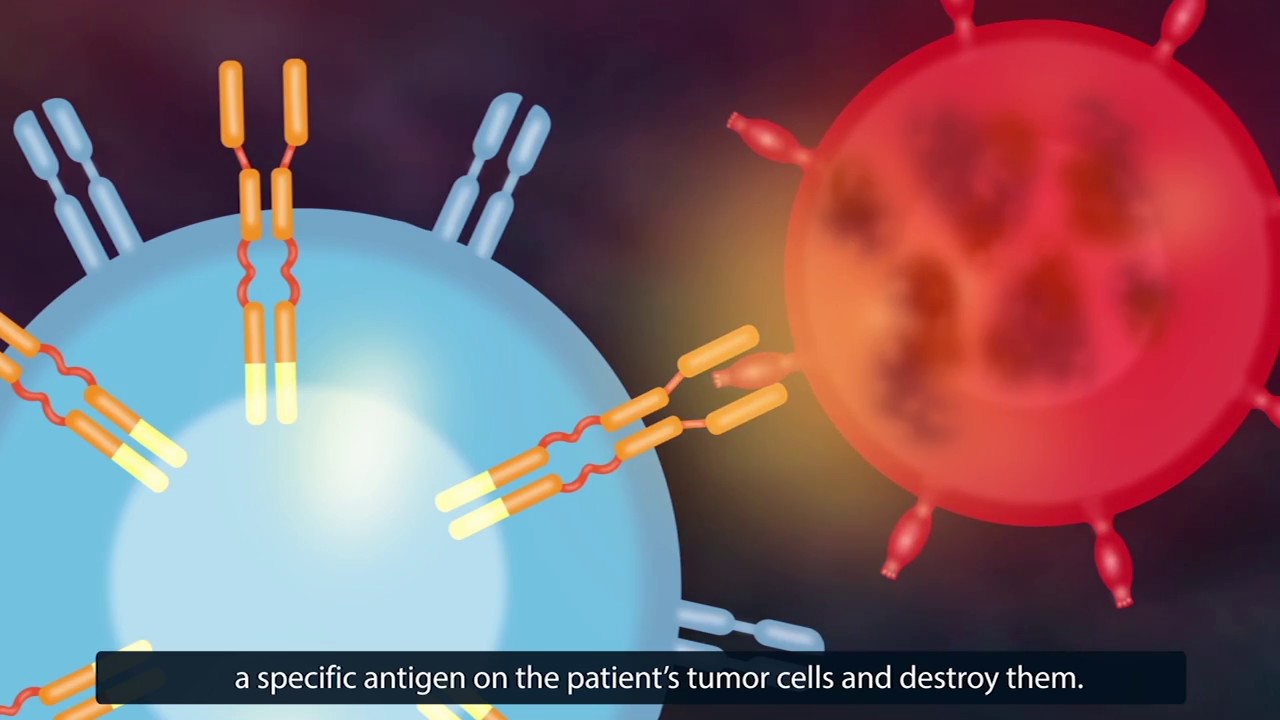
The T-cells are reprogrammed so they now produce special receptors called chimeric antigen receptors or CARs on their surface. These newly engineered cells called CAR T-cells are grown in a lab and millions of them are infused back into the patient. The new receptors enable them to latch on to a specific antigen on the patient's tumor cells and destroy them.